Applying AI to mental health tech: Do chatbot therapists pose more harm than they do help?
04 Jun, 20264 minute read

As the concept of mental health has become increasingly important in mainstream medicine and public health, more life sciences companies are choosing to innovate in this field to improve access and supply more options.
The digitalization of mental health care through mobile apps and telehealth services has already begun to build the foundations of collective well-being. Such practices have transformed patient outcomes by allowing them to overcome geographical barriers and take charge of their own health using their smart phones and devices.
However, with the rise of artificial intelligence and its increased application across healthcare and science, better, more personalized help may be at hand at a fraction of the cost of traditional, face-to-face treatments. AI chatbots are just one example of this, and in fact, they’re surprisingly popular – 1 in 4 Americans are more likely to talk to one instead of attending therapy.
In this article we’re exploring the pros and cons of implementing AI into mental health care and whether AI therapy chatbots could benefit the millions who cannot afford therapeutic services, or if they would end up doing more harm than good.
Ways AI could improve mental health care
Many people who suffer from anxiety, depression, PTSD, and other mental health conditions can feel alone in their pain, often struggling to ask for help. While it’s common to be prescribed medication (such as antidepressants) from a GP or local health practitioner, these tend to act as a tool for coping rather than getting to the core of their problems.
Therapy and counseling, while stigmatized by a big chunk of society, is a proven approach for people with mental health struggles. Studies have consistently found that behavioral and emotional interventions actually work better than a medication-only approach.
Unfortunately, therapy is not something everyone can access. As a costly practice (rarely covered by insurance) that is required on a regular basis for months or even years, it is thought that 50% of people who would benefit from talking to a therapist are not in a position to do so.
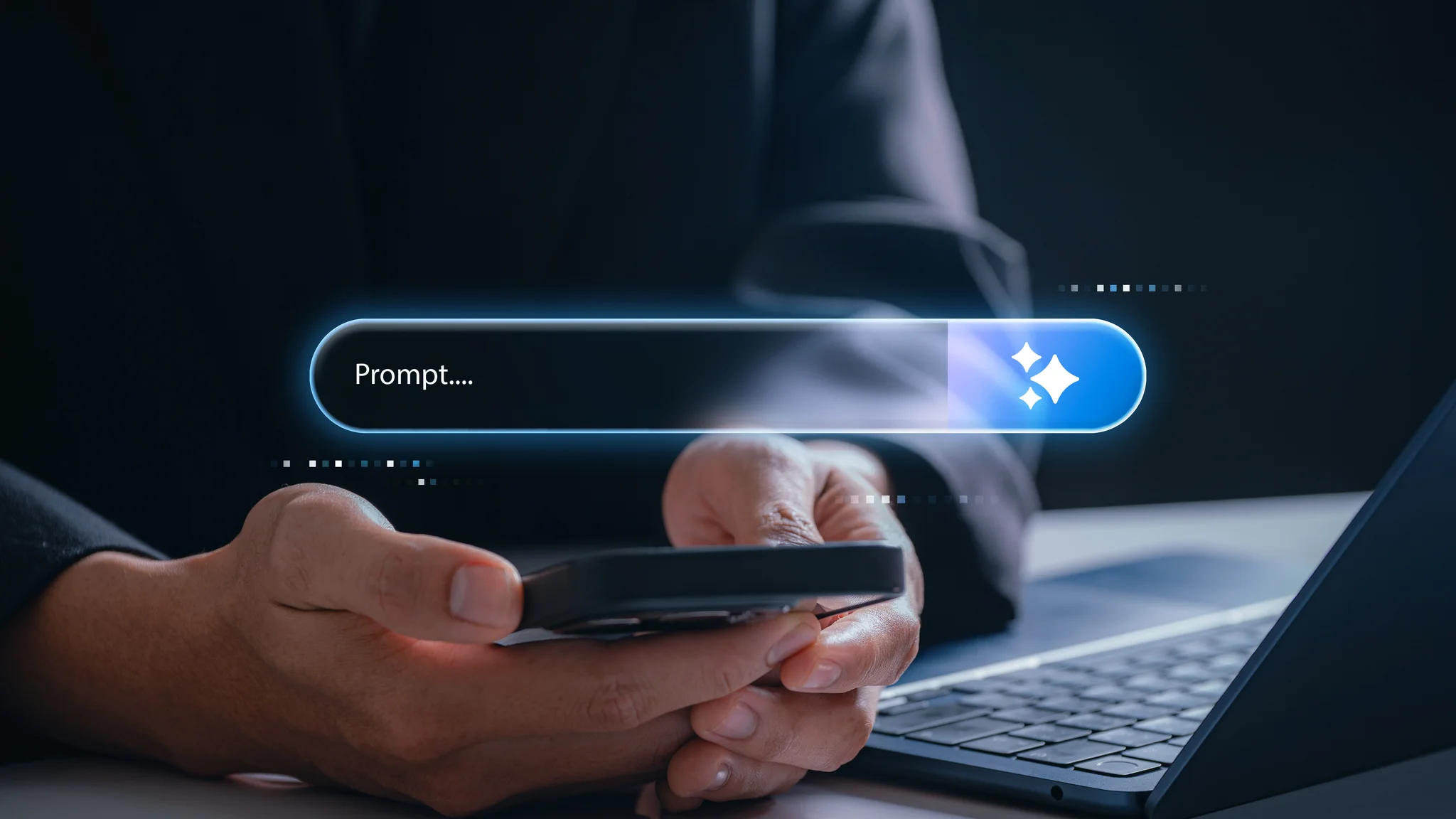
As AI has evolved in recent years, more and more ‘AI chatbot therapists’ are appearing on the market, many with free trials and low monthly subscription costs. Often, they are advertised as anonymous platforms, which could reduce shame and offer a tool to patients that is less scary than reaching out to a professional.
For people who feel like their mental health ‘isn’t bad enough’ for therapy, an AI chatbot could help them take that first step towards asking for help. It can also offer cognitive behavioral therapy (CBT) techniques, which are practical tools designed to break cycles of unhelpful thinking or behavior.
They’re also available 24/7 and provide a safe space to share thoughts and feelings in a non-judgmental setting at any time of day.
Ethical risks and potential dangers
While AI chatbot therapists sound promising on paper – and may offer some basic management tools for mental wellbeing – it's also important to consider the drawbacks when using such tools.
Firstly, AI chatbots cannot judge tone or understand inferences, which could endanger someone seeking help. When talking about mental struggles, it is common for people to use humor or sarcasm to ‘soften’ what is being spoken about. As well as failing to read between the lines and misunderstand patients, AI therapists might offer harmful advice without realizing it.
Consider if a person expresses suicidal ideation and asks where their nearest bridge is over 50 meters. There is a chance that a chatbot will not only miss the reference to suicide but will actually list tall bridges in the person’s vicinity.
Another risk to patients is that, unlike human therapists, AI replicas cannot mimic human empathy or emotional understanding. Longer-term therapy requires compassion to build trust and safety in the relationship between clients and healthcare professionals. Having a ‘shared understanding’ between two people is often considered one of the most important aspects of successful therapy outcomes.
With AI therapist chatbots being so easy to access, there’s also the possibility that people will become more isolated, relying on technology in solitude because it’s easier than seeking face-to-face support. This could worsen mental health outcomes generally (if it were to become a trend among the population) because, ultimately, you need human connection to recover from mental health hardships.
And, of course, there’s the issue of privacy. Once you share sensitive data with an AI chatbot, there’s no knowing how this information will be used or where it might end up. In most cases, AI companies analyze your data to train and improve their large language models (LLMs). However, any data shared is also susceptible to hackers or data breaches, which, if it were to fall into the wrong hands, could be exploited in a number of different ways.
Conclusion
To conclude, the application of AI in mental health tech and chatbot functions has both pros and cons. With over one billion people living with a mental health condition, AI therapists can serve as a tool for the vast number of people who cannot access traditional therapy. It can provide immediate support at any time of day with zero judgement and offers complete anonymity if you do not share any personal details.
That being said, we still have a long way to go before chatbots can rival face-to-face counselling with a fully qualified professional. Arguably, digital health will never act as a full replacement for such services due to the lack of human understanding and compassion.
Large-scale studies over longer time periods are the best route to determine the safety of applying AI to mental healthcare. For now, we can appreciate that artificial intelligence is advancing global health outcomes but still cannot be fully trusted with our sensitive data.