Four biotechs doing their bit for the planet
27 Apr, 20264 minute read

Last week the world celebrated Earth Day (22nd April) with the theme: our power, our planet. Since 1970, this day has been dedicated to protesting environmental destruction and raising awareness about the detriment of pollution and climate change.
The truth is that our planet is in a dire state. Air, water and soil quality are suffering as we continue to burn fossil fuels and produce non-degradable plastics that damage both plant and animal ecosystems.
With carbon emissions escalating the global warming crisis and causing extreme weather events, we need – more than ever before – to come together and innovate solutions that change the way things are currently being done.
In life sciences, this could look like incorporating cleaner manufacturing processes, integrating eco-friendly products, or developing plant-based materials that reduce our reliance on plastics.
Below we’ve spotlighted four life sciences companies who are doing their bit for the planet by developing products that will reduce our environmental harm and blaze new trails in sustainability.
1. Mosa Meat (Netherlands)
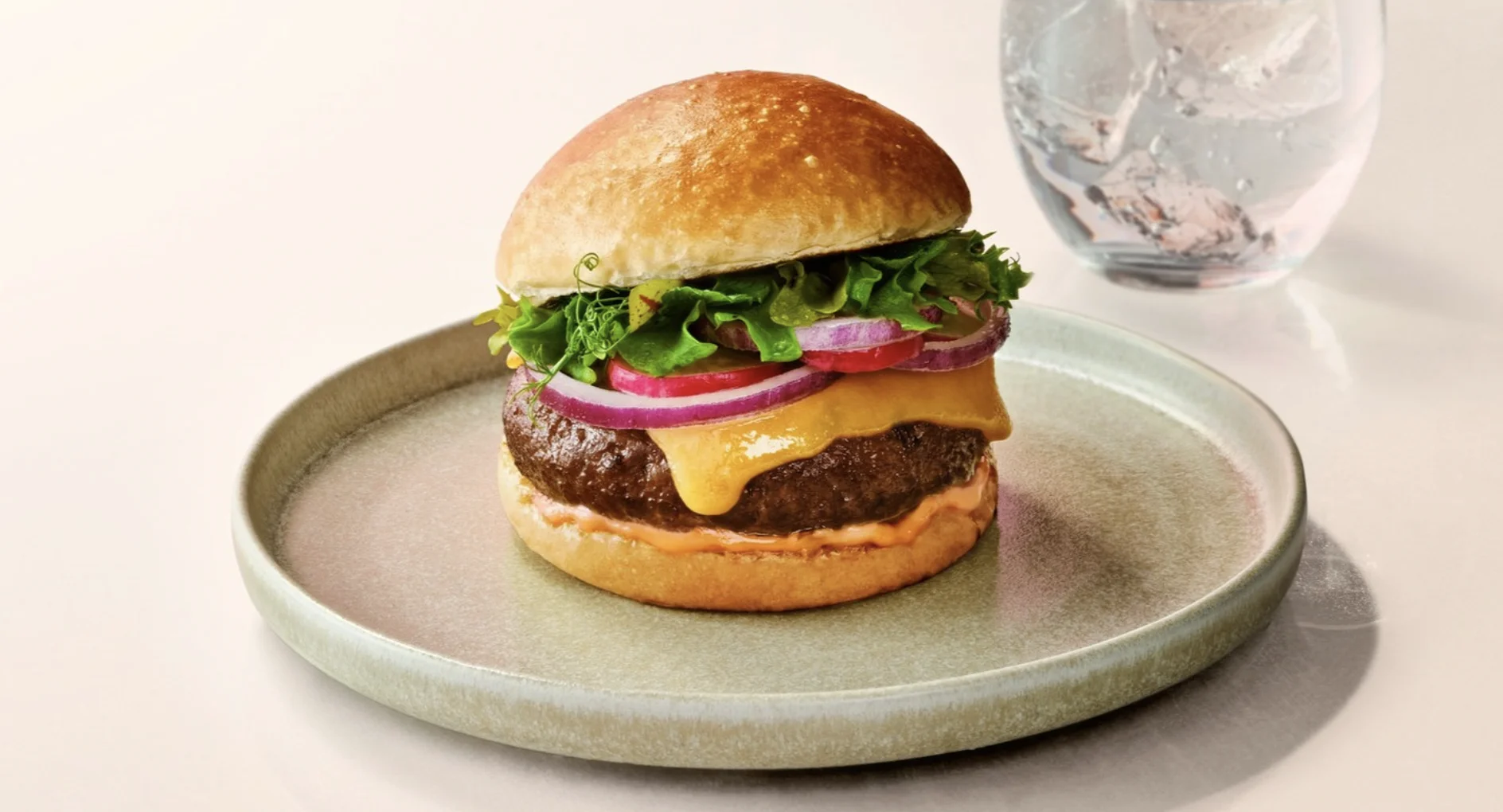
Netherlands-based Mosa Meat have been striving to bring ethical meat to our kitchen tables since the world’s first cultured beef hamburger (using lab-grown meat cells) was successfully created in 2013.
At this time, the ‘world’s kindest’ beef burger had a hefty price tag of €250,000. Mosa therefore made it their mission to make ethical meat accessible to everyone by making this process much, much cheaper.
Thanks to their research and the fundamental breakthroughs that have taken place over the past decade or so, Mosa Meat have confirmed that they’ve successfully brought down the initial cost by 99.999%. Following an additional 15M euros of funding at the end of last year, it may not be long until we see their burgers appearing on restaurant menus or on our supermarket shelves.
2. Rubi Earth (United States)
Rubi Laboritories, founded by twin sisters Neeka and Leila Mashouf, is tackling the huge issue of fast fashion and its devastating impact on the planet (textiles are the third most polluting supply chain).
They are working to alter existing supply chains so that they are symbiotic with the planet, meaning they give back to the earth rather than just taking from it.
Rubi has discovered a novel way to produce high-quality textiles like viscose and lyocell, which are currently very chemically intensive and polluting to make, directly from carbon dioxide (CO2). The process involves:
- Taking CO2 emissions destined for the atmosphere and diverting them into their system
- Converting this CO2 into pure cellulose pulp using enzymes
- Spinning the cellulose pulp into fibers and textiles using same industry processes
As well as avoiding (and capturing) carbon emissions, this method consumes virtually zero water or land, and the resulting clothing is also biodegradable.
3. Notpla (United Kingdom)
UK-based Notpla have discovered a way to make a sustainable, fully biodegradable alternative to single-use plastic, using seaweed!
With plastic pollution being one of the greatest threats to our environment and future, their breakthrough product is a big step forward when it comes to preserving our planet for future generations.
Seaweed, a thriving plant that grows fast and freely in our oceans, is regenerative, and fully sustainable. According to the company’s projections, if we were to replace all single-use plastic with seaweed, only 0.066% of the ocean would be needed, which is “well within safe ecological boundaries”.
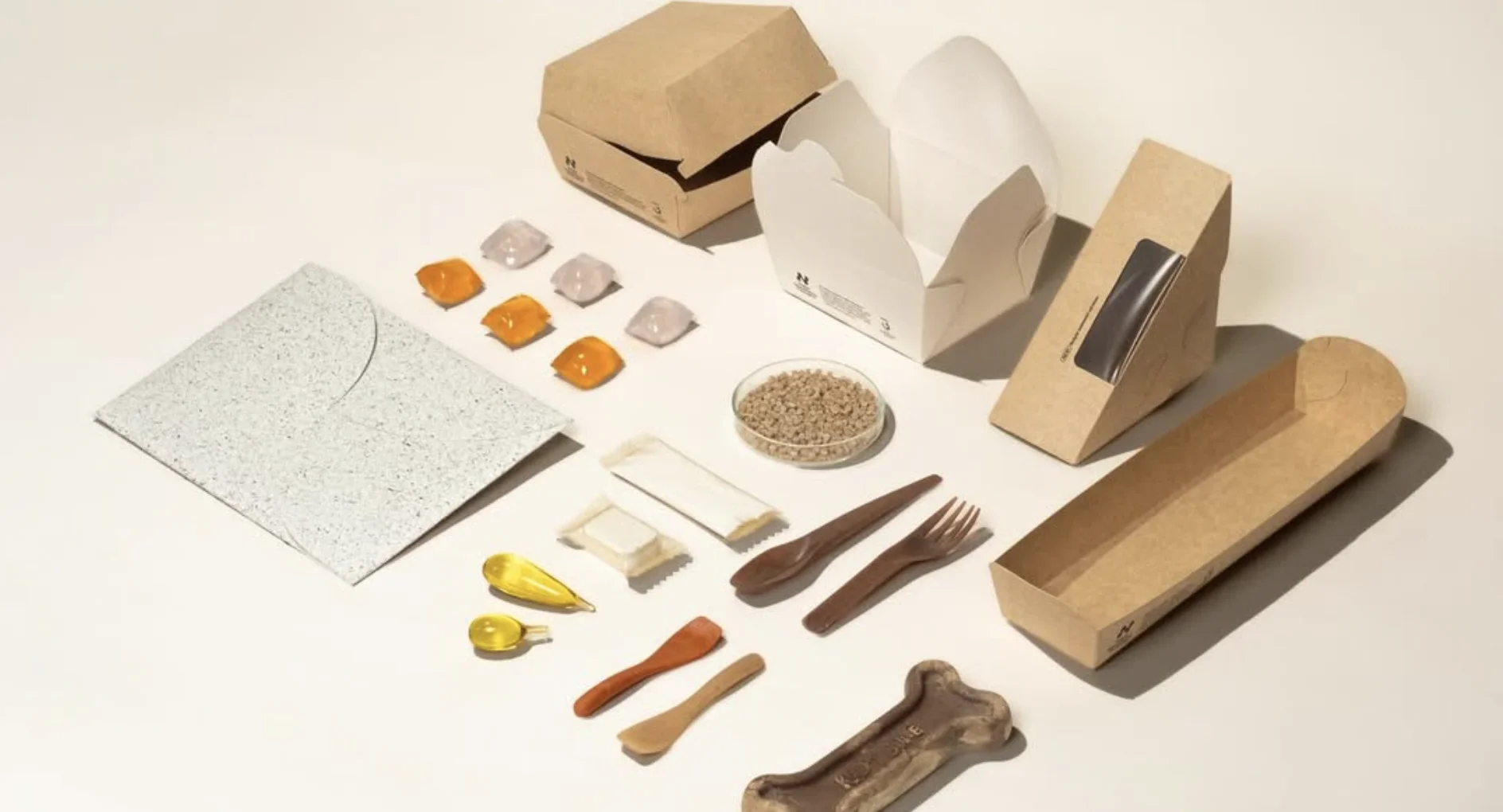
Notpla has made plastic-free food containers, cutlery, energy gel pods, pipettes, laundry sachets, and more. They’ve also begun partnering with big players (take a look at their partnership with Just Eat) to make seaweed packaging the new standard.
4. Newlight Technologies (United States)
Newlight Technologies have created a revolutionary product known as Aircarbon, a carbon-negative plastic alternative that’s made from greenhouse gases instead of crude oil.
In 2003 the company made it their mission to turn carbon emissions into valuable materials (taking inspiration from the way trees and corals absorb CO2). It took them ten years to find an initial solution, and another ten years to perfect it.
Newlight makes Aircarbon (also known as PHB or polyhydroxybutyrate) by combining greenhouse gases with air in a saltwater solution. It’s a natural polymer found in various living organisms that can now be used as a sustainable alternative to hard plastic.
The company is currently working to scale their production so that Aircarbon can become more widely accessible. So far, they’ve created Aircarbon straws, cutlery, cups and containers, as well as industrial resin that can be used across a range of industries either alone or in combination with other materials.
If you’re looking to expand an important team or take the next pivotal step in your career, please reach out to us today. Our industry experts will be able to get the process started for you.