
Investing in Early-Stage Biotech: Insights from Dr Sabriya Stukes, CSO at IndieBio
11 Dec, 20254+ minutes
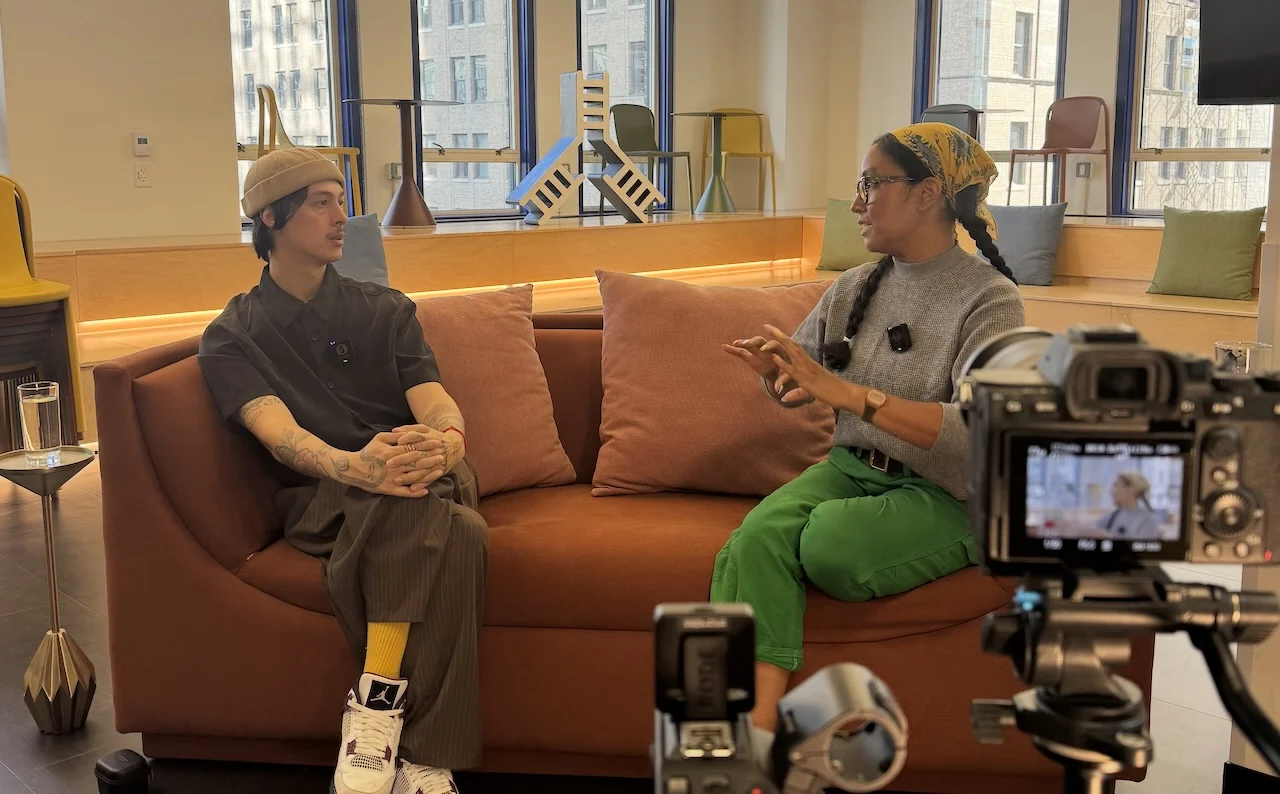
In the latest episode of our podcast, Affected, we ventured out to the east coast to chat to Dr Sabriya Stukes, who, as Chief Scientific Officer at IndieBio, plays a key role in supporting early-stage biotech companies through global funding from SOSV (where she is also a partner).
As well as discussing her interest in life sciences and her personal journey, we heard all about IndieBio’s mission and the importance of diversity and inclusion within the industry.
To everyone who tuned into the podcast on our channel, we’d love to hear your thoughts. But to those of you who may have missed it – here’s a rundown of what was discussed!
Dr. Stukes’ path into life sciences
Before delving into her work at IndieBio, we were keen to understand what drew Sabriya towards a career in life sciences.
Originally from Arlington, Virginia, she saw her parents working in both medical and educational professions – and had a keen interest in science thanks to her teachers. Biology particularly intrigued her, especially since reading The Hot Zone, a book about the Ebola outbreak, as a teenager.
Learning about microorganisms was something she found fascinating, and it led her down the educational road towards science and a major in microbiology and immunology (with a focus on infectious diseases).
She then went from working her ‘dream role’ at an HIV research lab at the NIH (National Institutes of Health) to a location change and a role in tuberculosis research at New York University. Eventually, she completed a PhD at the Albert Einstein College of Medicine and continued building a career rooted in infectious diseases.
Her work at IndieBio
Next, we asked Sabriya if she could talk a little bit about IndieBio and the work that happens there. In her words, “IndieBio is a program of the global fund SOSV – which stands for Sean O’Sullivan Ventures. We are a fund that invests at the earliest stage of company creation.”
Essentially, they help new companies off the ground through a range of dedicated programs. And while they focus on companies with molecular or biological components, they do also support companies in energy, tech and robotics as these all support their overall investment thesis of human and planetary health.
“We work very closely with the founders at the earliest stages to help them figure out how to, not only de-risk the biological component of their technology, but also to think more broadly about how you build a company around this.”
This element particularly appeals to her as a scientist. Guiding founders from their initial idea to a fully developed product that impacts millions allows her to draw on her experience in research, education and technology commercialization.
It’s also part of what excites her about IndieBio’s presence in New York. The city had long been searching for a way to bring its growing biotech community together, and IndieBio has become a catalyst for that ecosystem.
The importance of diversity and inclusion in life sciences
With over ten years of experience fostering equitable and inclusive environments in the STEM disciplines, we wanted to ask Sabriya about improving diversity and how we can, as an industry, take steps towards better workplace equity.
She explained how IndieBio and the broader NYC ecosystem aim to lower barriers for underrepresented groups, and that in order to achieve this, we need deliberate action, not passive intention.
Sabriya also made a point that, “having a diverse community, network and pool of candidates doesn’t automatically mean you have equity and inclusion too. I think people fail to realize this.”
To work at making sure communities feel inclusive, Sabriya highlighted her pride in being part of an organization called Venture Access Alliance. Formed three years ago, this coalition of startup investors work to achieve greater diversity throughout the startup value chain and build the world’s best, most inclusive tech and venture ecosystem in NYC.
Ultimately, she defines community as an ever-evolving entity that needs to be taken care of, as well as a place where everyone’s voice is heard.
Advice for early-stage founders
As we wrapped up the conversation, we asked if Sabriya could share some tips for early-stage biotech founders.
From a venture capital standpoint, Sabriya told us that founders often focus all their attention on the science – and tend to forget to consider how their technology becomes a business. While brilliant science is essential, it’s not enough.
And from a personal side, she advised founders to trust themselves: “Take that leap of faith, stay open to feedback and most importantly, use it to shape your decisions going forward.”
If you’re looking to streamline your hiring plans and source the best talent for your business, connect with our industry experts today.
Related Posts

4 Key Takeaways from JPM26
26 Jan, 2026

JPM26: 5 Things We’re Looking Forward To
12 Jan, 2026