
Diversity in life sciences report 2026
What happens when life sciences teams lack diversity?
We surveyed life sciences professionals across the sector to understand where the gaps are and why people of colour are still underrepresented in life sciences. The report shares what we found, plus five ways your organisation can start to change it.
What's included:
✓ Findings from our survey across life sciences professionals
✓ Why people of colour are underrepresented in the sector
✓ Five practical actions your organisation can take
Key findings from our survey
49%
of our non-white respondents said their race or ethnicity has been perceived to negatively impact their career progression.
72%
said their race or ethnicity has been perceived to negatively impact their career progression.
70%
of respondents said a lack of diversity negatively affects innovation in life sciences.
Why this report, why now
Life sciences depend on people with different backgrounds and perspectives, from the lab through to the boardroom. Yet people of colour are still underrepresented across much of the sector, and many organisations aren’t sure where to start. With DE&I initiatives being rolled back, particularly in the US, we believe now is a crucial time to address this.
As a specialist life sciences recruiter, we see this every day: in who applies for roles, which positions are hardest to fill, and the teams our clients are trying to build. To understand the issue, we asked a sample of life science professionals about their experiences in the sector.
When we embrace different backgrounds and perspectives, we unlock more creative solutions and build stronger connections with our people and customers, which ultimately means we can achieve better business outcomes
Claire MacLeod, Executive Director of Talent
This report is for:
- HR and people leaders
- Talent acquisition and recruitment teams
- Hiring managers
- DE&I leads
- Founders and senior leadership teams



Featured Voices
In their own words: the barriers they’ve faced, the opportunities they’re creating and why representation matters.
Nafees Noris
Nafees Norris is the founder of Nafees Innovations, making hands-on STEM education accessible to children from underrepresented backgrounds.
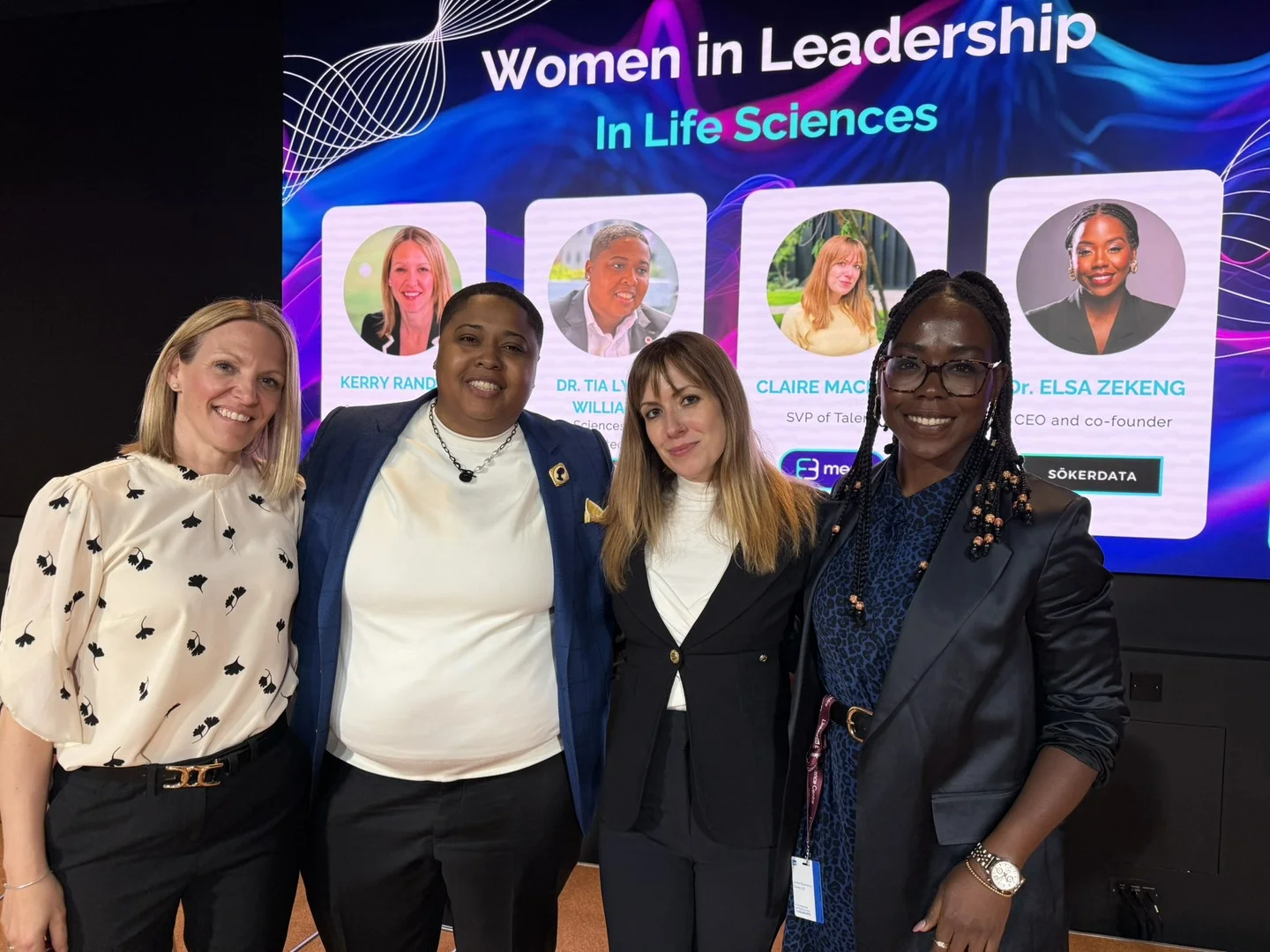
Dr. Tia Lyles-Williams
Dr. Tia Lyles-Williams is a two-time life sciences founder, challenging systemic barriers and championing greater representation in the industry.

FAQs
What happens when life sciences teams lack diversity?
When people face barriers to entering or progressing in life sciences, the sector misses out on talent, ideas and experience. This report explores the underrepresentation of people of colour and what organisations can do to create more opportunities.
What does the white paper cover?
The report shares findings from a survey of life sciences professionals, alongside quotes highlighting personal experiences of underrepresentation. It explores the barriers people face and outlines five ways organisations can help address them.
Who is the report for?
The report is for life sciences employers, business leaders, HR teams and anyone involved in hiring, developing or retaining talent. It offers a starting point for understanding gaps in representation and discussing what needs to change.
Does the report focus on racial diversity?
Yes. The report focuses on why people of colour remain underrepresented in life sciences, bringing together survey findings and individual perspectives on access, opportunity and career progression.
How can my organisation use the findings?
Use the report to start conversations about representation, reflect on your employees’ experiences and identify areas that need closer attention. The five recommendations can help inform your next steps towards a more inclusive workplace.
Where do the statistics in the report come from?
The statistics come from Meet’s own survey of life sciences professionals. The findings reflect respondents’ experiences and perspectives, offering insight into the barriers people of colour face within the sector.
